Peeled Vintage Flowers Vol.7: A Designer's Resource
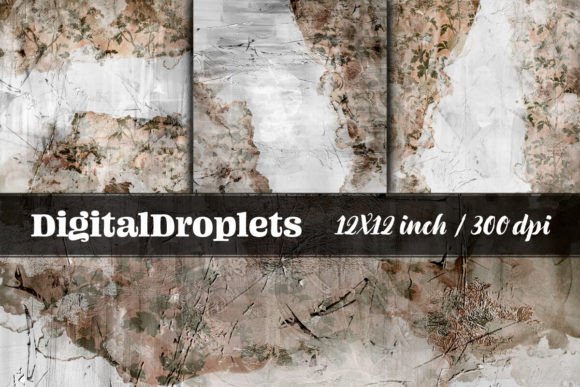
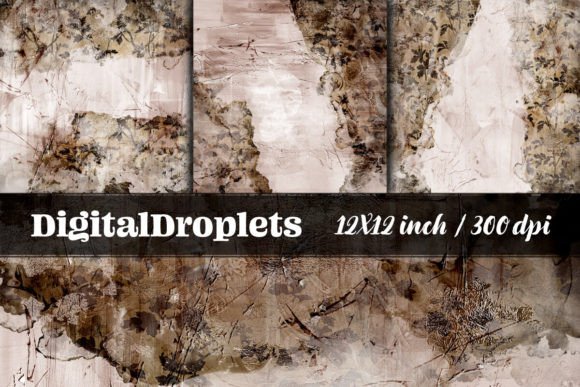
In the pursuit of authentic visual storytelling, the right texture can transform a flat design into a tangible experience. Peeled Vintage Flowers Vol.7 offers exactly this kind of transformative potential, providing a sophisticated set of 20 digital papers that merge delicate floral motifs with the rich, tactile appearance of aged paper and distressed paint. This collection is more than just a set of backgrounds; it's a versatile asset for designers, crafters, and brand builders aiming to infuse their projects with a sense of history, warmth, and handcrafted elegance.
Elevating Visual Communication with Tactile Textures
In an era dominated by sleek, minimalist digital interfaces, vintage and textured elements create a powerful counterpoint. They introduce a human touch, evoke nostalgia, and build immediate visual interest. The papers in this collection are particularly effective because they balance detail with subtlety. The faint floral patterns and peeled paint effects don't overwhelm a composition but instead provide a nuanced foundation that enhances layered designs. This approach aligns with modern design trends that value authenticity and emotional resonance, helping to create a stronger connection between the visual message and the viewer.
Practical Applications Across Creative Disciplines
The utility of a resource like Peeled Vintage Flowers Vol.7 spans numerous design and marketing contexts. Its high-resolution 12x12 inch format at 300dpi ensures professional print quality and sharp digital display. Consider these practical applications:
- Brand Identity & Packaging: Use these textures as backgrounds for logo presentations, business cards, or product packaging to communicate a brand story rooted in tradition, craftsmanship, or organic beauty. They are ideal for boutique brands, artisanal products, and lifestyle companies.
- Marketing & Social Media: Create scroll-stopping social media graphics, email headers, and blog post feature images. The textured backdrop makes text overlays and product shots stand out, improving visual hierarchy and engagement.
- Editorial & Print Design: Enhance magazine layouts, book covers, or wedding invitations. The papers serve as excellent bases for collages, frames, tags, and washi tape elements in junk journals and scrapbooks, adding depth to mixed-media projects.
- Digital & UI Design: Apply these textures as subtle website backgrounds or within UI elements for apps related to florals, gardening, vintage goods, or stationery. They add character without compromising readability when used thoughtfully.
Integrating Textures into a Cohesive Design Workflow
Selecting and using design assets effectively requires a strategic approach. When incorporating a collection like this, consider your project's core message and audience. The vintage floral aesthetic may not suit a tech startup, but it could be perfect for a boutique hotel's collateral. To maintain a polished professional presentation:
- Prioritize Consistency: Use papers from the same collection across a single project or campaign to ensure a unified look. Mixing too many different textures can create visual chaos.
- Layer with Purpose: Combine the textures with clean typography, solid color blocks, or sharp imagery to create contrast. This prevents the design from feeling muddy and guides the viewer's eye.
- Test for Readability: Always check that text placed over the textured backgrounds remains legible. Adjusting text color, adding a slight drop shadow, or placing text on a semi-transparent panel can solve visibility issues.
- Align with Color Palettes: Extract colors from the floral patterns or the aged paper tones to build a complementary color palette for your entire project. This creates a harmonious and intentional visual system.
Ultimately, the strength of any design lies in the deliberate selection and application of its components. Quality creative assets like Peeled Vintage Flowers Vol.7 are not mere decorations; they are tools for building atmosphere, conveying emotion, and achieving a specific aesthetic goal. By thoughtfully integrating such resources, designers and creators can significantly elevate the visual impact and communicative power of their work, ensuring their projects are both beautiful and effectively resonate with their intended audience.