Timeless Elegance: Vintage Damask Scrapbook Vol. 8
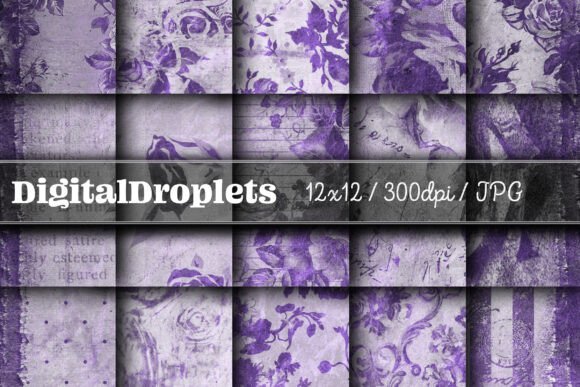
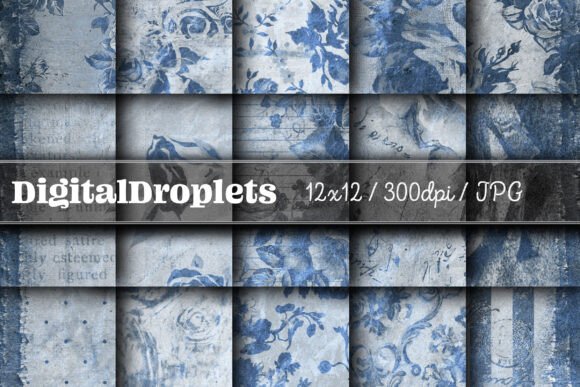
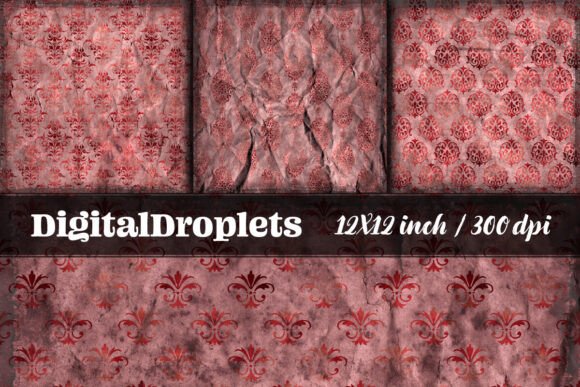
In the fast-paced world of digital design, achieving a sense of timeless sophistication and tactile depth can be a significant challenge. This is where the Vintage Damask Scrapbook Vol. 8 becomes an indispensable asset for designers and creators. This curated collection of 20 high-resolution 12×12 papers masterfully blends intricate damask patterns with the authentic, textured appearance of aged paper, offering a versatile foundation for projects that demand elegance and historical character.
Elevating Brand Identity and Visual Communication
A strong brand identity relies on consistent, evocative visual language. The patterns within this set are not merely decorative; they serve as powerful tools for communication. For brands in the luxury, artisanal, or heritage sectors, incorporating these textures into logo backgrounds, business card designs, or packaging can instantly convey a narrative of craftsmanship, tradition, and premium quality. The subtle shuffled papers border on each sheet adds a unique, handcrafted touch that digital-only assets often lack, enhancing the perceived value and authenticity of your brand materials.
Practical Applications Across Creative Projects
The true value of a resource like the Vintage Damask Scrapbook Vol. 8 lies in its adaptability. Its applications extend far beyond traditional scrapbooking, making it a powerful component in a modern design workflow.
- Marketing and Social Media Graphics: Use these papers as backgrounds for quote graphics, promotional banners, or Instagram stories. The vintage aesthetic can stop the scroll, offering a refreshing contrast to minimalist trends and helping your content stand out with rich visual texture.
- Editorial and Web Design: In magazine layouts or website hero sections, damask patterns can create a sophisticated backdrop that guides the eye without overwhelming primary content. They are excellent for establishing visual hierarchy and adding depth to a flat digital interface.
- Packaging and Product Design: For physical products, these textures translate beautifully to labels, wrapping paper, or tissue paper inserts, creating a cohesive and premium unboxing experience that strengthens customer loyalty.
- Digital Products and Presentations: Enhance the professional appeal of downloadable planners, e-books, or keynote presentations. A subtle damask pattern can frame content elegantly, improving the overall user experience and perceived quality of the information presented.
Strategic Tips for Effective Integration
When integrating such distinctive assets, thoughtful application is key to maintaining a polished result. Consider these factors to maximize their impact:
- Balance and Readability: Use the damask patterns strategically. They work exceptionally well as full-page backgrounds for lower-text-density designs like invitations or decorative frames. For text-heavy areas, consider using them as sidebars, headers, or footer accents to maintain clarity and readability.
- Color Palette Cohesion: The neutral, earthy tones of the aged paper textures provide a versatile base. Pair them with a complementary color palette that aligns with your project's goals—deep burgundies and golds for classic luxury, or muted pastels for a softer, romantic feel.
- Layering for Depth: Leverage the high-resolution quality of the files (300dpi) to layer them with other design elements. Place modern typography, crisp line art, or photographic elements on top to create a compelling contrast between the vintage background and contemporary foreground, a technique that enhances visual interest and modern appeal.
Ultimately, the success of any creative project hinges on the thoughtful selection and application of its visual components. Resources like the Vintage Damask Scrapbook Vol. 8 provide more than just pretty patterns; they offer a bridge between historical artistry and contemporary design needs. By choosing high-quality, versatile assets that align with your project's narrative and audience expectations, you invest in the clarity, impact, and professionalism of your final output, ensuring your work communicates not just a message, but an experience.